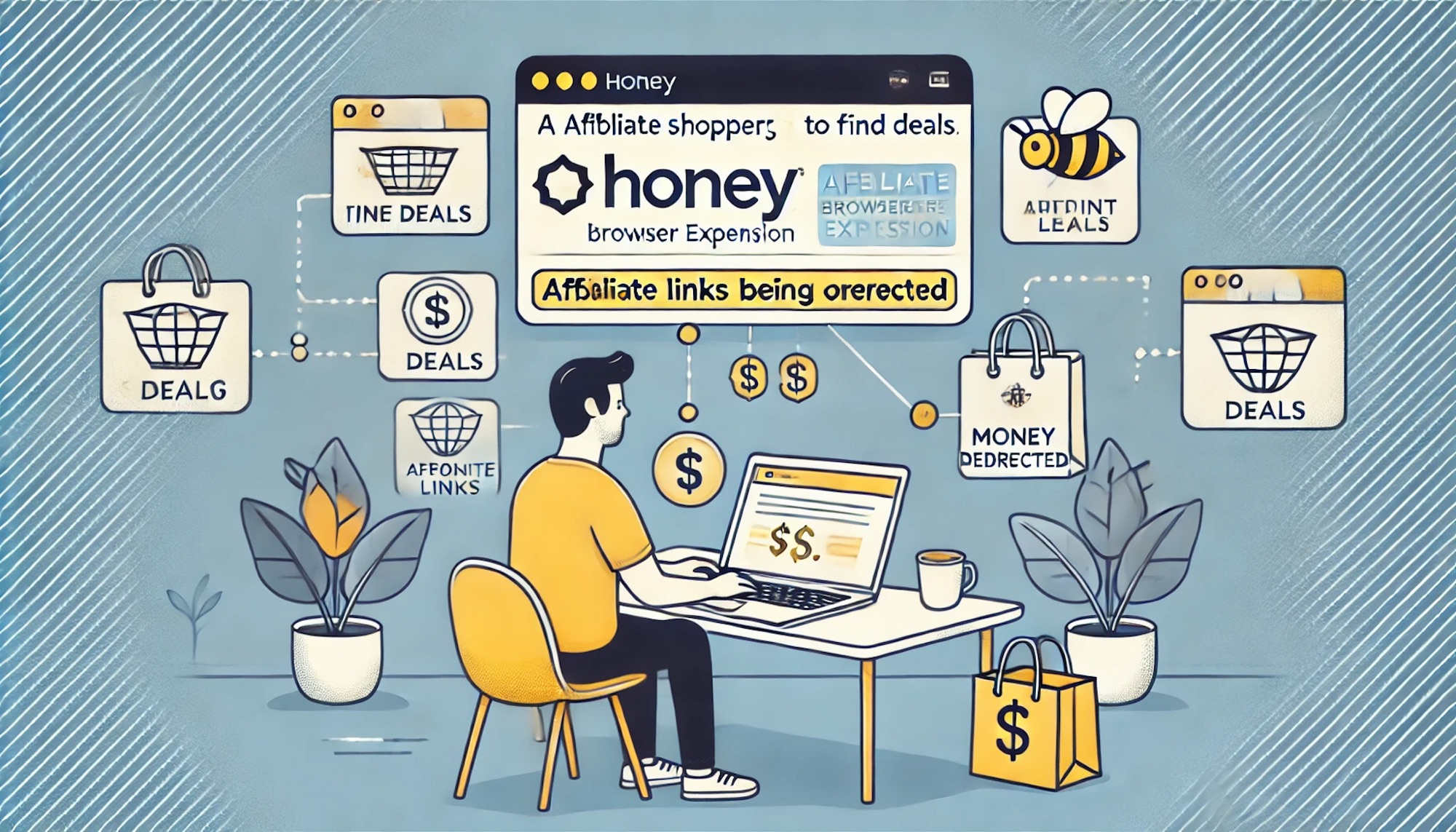

Honey, a browser extension that promises to save you money with coupon codes, has been a favourite among online shoppers for years. Its popularity has been further boosted by endorsements from online influencers, particularly YouTubers. However, a recent revelation has raised serious concerns about Honey’s business practices and whether it truly benefits consumers.
YouTuber MegaLag, known for exposing online scams, published a detailed video that shed light on the behind-the-scenes operations of Honey. The video suggested that Honey may have been engaging in deceptive tactics that have negative impacts on its users and content creators who promoted the extension. Another YouTuber, Austin Evans, has also came out to talk about his partnership with Honey. So what happened?
Hijacking of affiliate links and cookies
One of the primary controversies surrounding Honey is its manipulation of affiliate links and cookies. Affiliate marketing is a tactic used by marketers to pay content creators or websites commissions when a user clicks on unique links that lead them to an e-commerce site like Amazon. Once a user makes a purchase after clicking an affiliate link, the creator receives a portion of the sale. This tactic is a legitimate way for brands to grow their market share through influencers. It’s a win-win situation for both brands and content creators.
Unfortunately, Honey had other ideas and disrupted this system by overriding creators’ affiliate links with its own. Here’s how it works.
- Imagine you’re watching a tech review on YouTube, and the creator recommends a product with an affiliate link in the video description. You click the link, intending to support the creator and potentially benefit from their recommendation. However, Honey, which is active in your browser, detects the affiliate link and replaces it with its own.
- Honey intercepts affiliate links, replacing the creator’s code with its own, effectively stealing the commission.
This sneaky and unethical act happens quietly behind the scenes, without the user or the creator’s knowledge. Honey gains from the user’s purchases while the creator receives nothing. If this impact is magnified, it could result in millions of dollars lost for the creator’s site while Honey profits.
Not giving users the best deals

Honey’s control over deals users have also come under scrutiny. For instance, they may prioritise coupons from their partner stores over potentially better deals from other stores. This means users might not always get the best deals, even though Honey claims otherwise.
Additionally, merchants that participate in Honey’s cashback programme and offer more generous discounts may not be displayed through the extension. This allows them to hide more generous discounts that are publicly available elsewhere, potentially misleading Honey users into accepting less favorable deals.
While users can search for better deals elsewhere, if Honey is marketed as the extension offering the best deals and influencers around the world said so, users may be reassured that the hassle to search for a better deal is unwarranted.
Not just about deals. Transparency and security too.
The Honey controversy has sparked a broader conversation on transparency and security risks, particularly regarding the use of browser extensions. While browser extensions offer convenience, we should be cautious about giving them too much access to our browsing data and online activity.
Honey’s revelation has shown the possibility of other extensions engaging in practices that compromise user privacy and exploit creators for profit. This raises concerns about the broader implications of browser extensions and the need for greater transparency and security measures.
Are we giving away our personal information too readily for a slight discount on a shirt?
Ways to protect yourself
- Reconsider using Honey: Given the ethical concerns and potential for manipulation, it may be best to uninstall Honey.
- Carefully evaluate browser extensions: Before installing any extension, research its permissions, read user reviews, and assess whether the benefits outweigh the risks.
- Support creators directly: If you enjoy a creator’s content, consider purchasing through their affiliate links or using alternative platforms like Patreon.
The Honey controversy serves as a reminder that convenience often comes at a cost. While a tool that automatically finds coupons may seem appealing, the potential for manipulation and exploitation should not be ignored. By being informed and taking proactive steps, you can protect yourself and contribute to a more ethical and transparent online environment.



Share your thoughts