Kaspersky
-
Kids in SEA use the internet mostly for online messaging, more for music, video streaming
Children in Southeast Asia today use the internet increasingly for video and music entertainment as well as for software downloads, and lesser for online messaging. More kids in the region use the World Wide Web to watch their favourite TV… Continue reading

-
APAC online users give up social media details for fun quiz results and freebies, says Kaspersky study
Results of Kaspersky’s survey reveal online users in the Asia Pacific appear to be willing to share their private information in exchange for various personal gains from social media, even quiz results to know what type of flower they are… Continue reading

-
84% of parents are worried about their child’s online safety but aren’t taking the time to talk about it
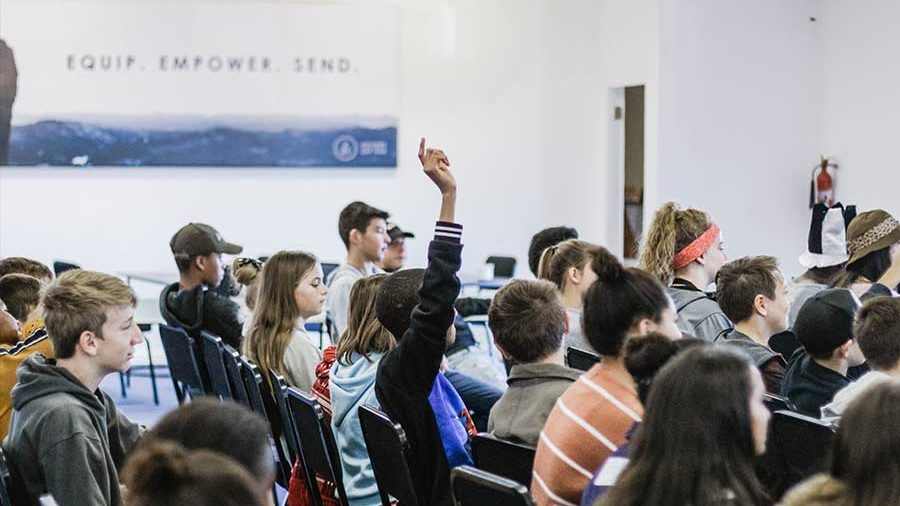
84% of parents worldwide are worried about their children’s online safety, according to the latest survey commissioned by Kaspersky and conducted by the market research company Savanta. Nevertheless, on average, parents only spend a total of 46 minutes talking to… Continue reading
-
Data is Sick: Kaspersky reveals a diagnosis of cyber threats plaguing the healthcare sector
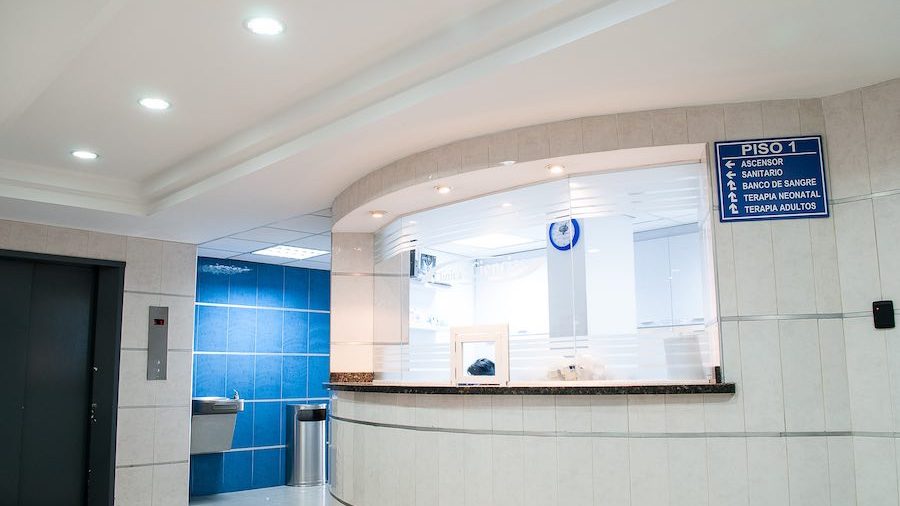
Kaspersky tags escalating number of cyberthreats as the modern plague haunting the healthcare sector, during its 5th CyberSecurity Weekend in Yangon, Myanmar. With the theme “Cybersecurity: Healing the Healthcare Sector”, the conference examined the past, the present, and the future state… Continue reading
-
The pharmaceutical industry is getting hacked
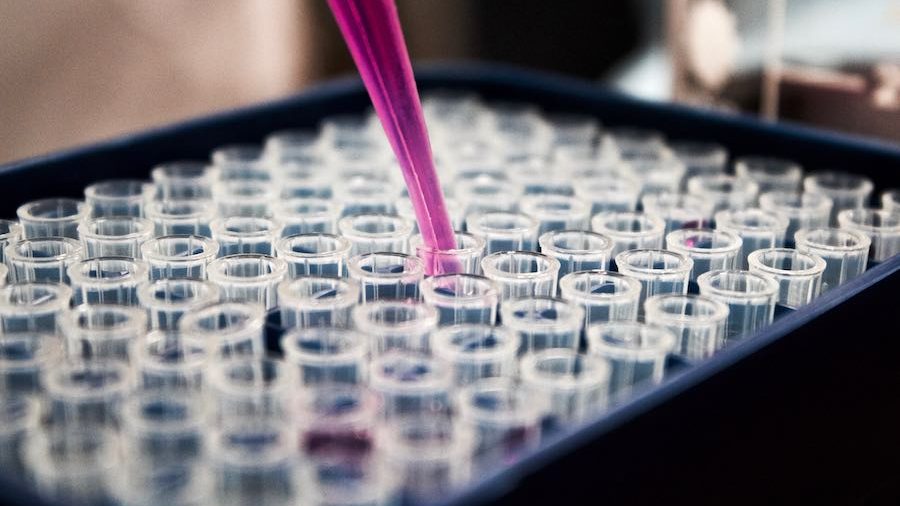
Global cybersecurity company Kaspersky reveals an alarming trend observed in the pharmaceutical industry – a year-on-year steady increase in the number of devices being attacked by cybercriminals. From 44% of machines infected in 2017 and a 1% increase in 2018,… Continue reading
-
More than 50% of incident response requests occur after damage from a cyber attack is complete
Around 56% of Incident Response (IR) requests processed by Kaspersky security experts in 2018 happened after the affected organization experienced an attack that had visible consequences such as unauthorized money transfers, workstations encrypted by ransomware and service unavailability. 44% of… Continue reading
-
Southeast Asia hit with more than 14 million phishing attempts
Recent statistics gathered by Kaspersky showed Southeast Asia remains a target of cybercriminals attempting to infect networks and devices through the simplest yet still most effective trick called phishing. The global cybersecurity company has detected a total of 14 million… Continue reading
-
Kaspersky partners with Temasek Polytechnic to offer technical cybersecurity courses to more Singaporeans
Kaspersky recently signed a three-year agreement with Temasek Polytechnic (TP), an institute of higher learning in Singapore, to provide cybersecurity courses for corporate practitioners and members of the public in Singapore. This partnership reinforces the global cybersecurity company’s commitment to… Continue reading
-
The long goodbye: 41% of consumers still use unsupported and near end-of-life OS
Many consumers and businesses still rely on unsupported or near end-of-life operating systems (OS), according to Kaspersky research. While newer versions of such OS are available, around 41% of consumers still use either an unsupported or approaching end of support… Continue reading
-
Ransomware modifications double year-on-year in Q2 2019
Kaspersky researchers detected 16,017 new ransomware modifications in Q2 2019 – including ones belonging to eight new malware families. This is more than double the number of new samples detected a year ago, in Q2 2018 (7,620). The Kaspersky IT… Continue reading