

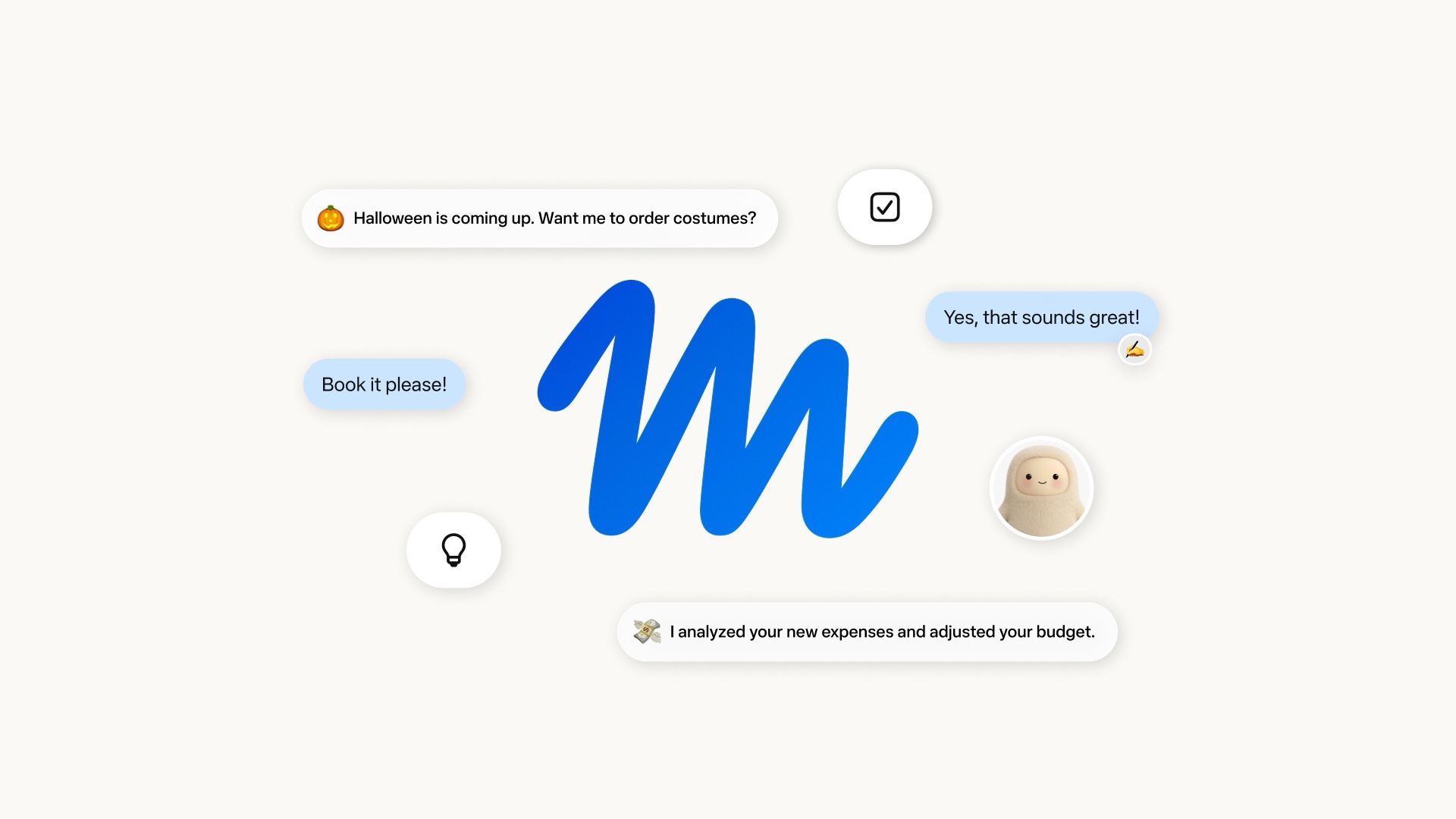
Meta has launched Muse, a personal AI agent designed to complete tasks on a person’s behalf rather than simply answer questions. The agent runs on a dedicated virtual machine and can browse the web, fill in forms and make purchases once a person approves the action.
The rollout starts in the United States on iOS, Android and muse.ai, with support for AI glasses to follow. Muse works through natural conversation, either in a standalone app or directly inside WhatsApp.
How Muse gets things done
Muse is built on Muse Spark, described by Meta as its most capable model for agentic work. Once someone shares a goal — selling a car, renegotiating a bill, adjusting a training plan — Muse builds a plan, coordinates the steps and keeps working after the app is closed, returning when it needs approval or when something changes.
Payments run through Stripe’s Link, making Muse the first AI agent covered by Link’s purchase protections, including free cover for damaged or lost items, price drops and no-fee returns. Each purchase uses a one-time card number, so a person’s real card details stay hidden. Shop Pay and 1Password support are coming next, letting Muse use logins people already have.
The agent also builds a working memory of a person’s preferences. Meta says it can turn a recipe saved on Instagram into a grocery list, or remember a friend’s dietary restrictions before sending a dinner invite.
Security built around a separate watchdog agent
Muse runs on what Meta calls Muse Secure VM, a dedicated cloud machine that stores a person’s data and connected credentials. A second agent, Sentinel, runs on the same machine but is kept separate at the system level — nothing Muse does reaches the internet without Sentinel’s approval, and Sentinel checks with the person directly when needed.
- Muse never sees passwords or payment details; credentials sit in secure storage it can use but not view.
- People choose which apps Muse connects to and how much access each one gets, and can revoke access at any time.
- Muse shows a full audit trail of actions taken and planned.
- Conversations and VM data are not shared with Meta’s ad systems, and people can opt out of using their data to train Meta’s models.
A more locked-down version, Muse Confidential VM, is due later this year. It encrypts the entire virtual machine, including conversations, with a key only the user holds — Meta says even the company won’t be able to access it.
Muse is free for most everyday use, with paid plans for people who want more from it.


Share your thoughts