

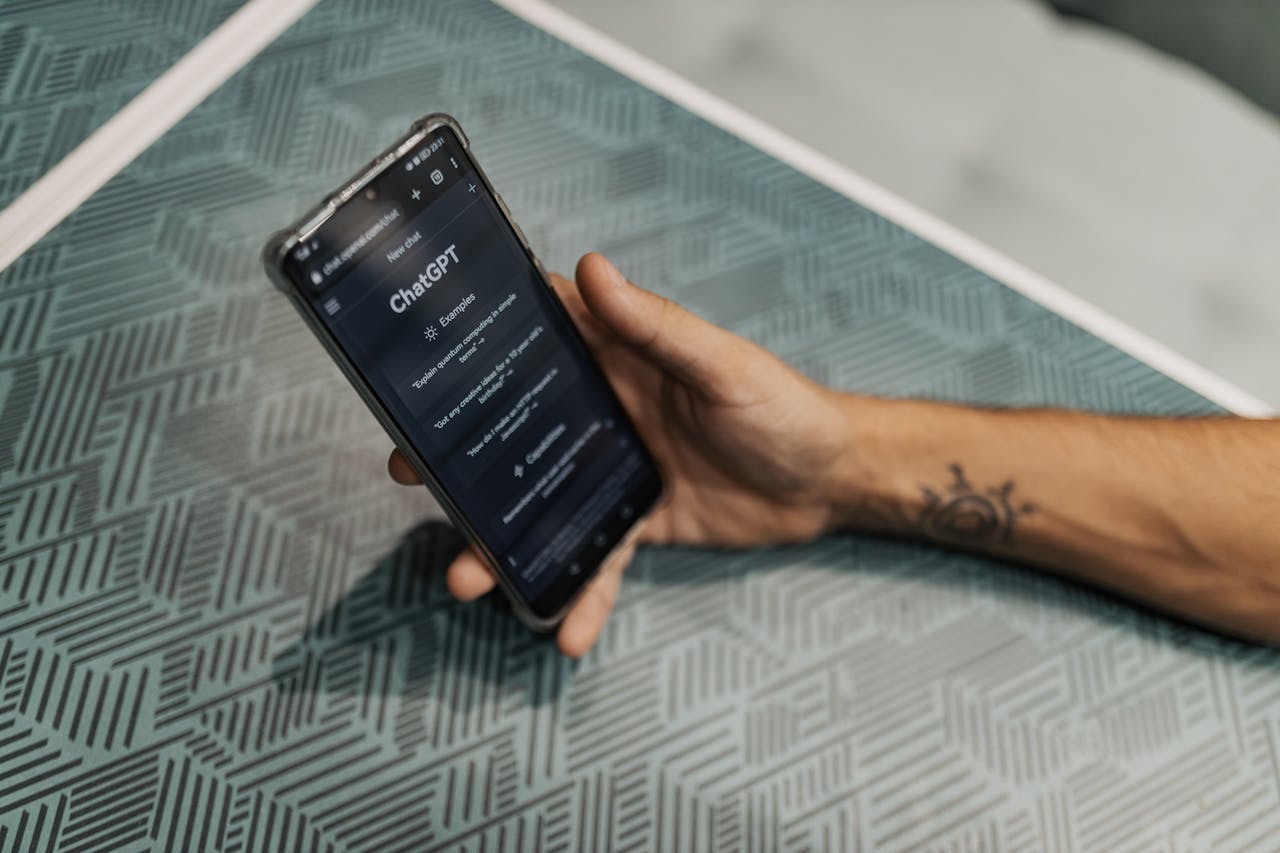
OpenAI has launched ChatGPT Images 2.0, a major upgrade to its image generation platform that introduces native reasoning, 2K resolution output, and multi-image consistency — positioning the new model as a production-ready visual workflow tool for enterprise and creative users.
Available from 21 April 2026 across ChatGPT, Codex, and the API, the update is powered by a new underlying model, gpt-image-2, which replaces the previous ImageGen 1.5 and marks the end of the DALL-E line. DALL-E 2 and DALL-E 3 are scheduled for retirement on 12 May 2026, giving businesses with existing integrations roughly three weeks to migrate.
Two Modes: Instant and Thinking
ChatGPT Images 2.0 ships with two distinct operating modes. Instant delivers fast, high-quality outputs and is available to all ChatGPT users including the free tier. Thinking mode — restricted to Plus, Pro, Business, and Enterprise subscribers — adds a reasoning layer that allows the model to plan, verify, and refine visual outputs before generating them.
In Thinking mode, the model can produce up to eight coherent images from a single prompt, maintaining character and scene consistency across frames — a capability that previously required significant manual effort or third-party tooling. Use cases highlighted by OpenAI include manga creation, storyboarding, UI prototyping, and multi-scene marketing creative.
Enterprise-Grade Text Rendering and Multilingual Support
One of the most commercially significant upgrades is substantially improved text rendering. Previous image generation models struggled with legible in-image typography — a key limitation for producing infographics, product mockups, presentation assets, and editorial layouts. Images 2.0 addresses this directly, with OpenAI claiming the model can now handle dense compositions, UI elements, iconography, and fine-grained stylistic constraints at up to 2K resolution via the API.
Multilingual rendering has also been strengthened, with improved accuracy across Japanese, Korean, Chinese, Hindi, and Bengali — a meaningful capability upgrade for enterprises operating across Asia-Pacific markets where localised creative assets are routinely required.
Integrated Into Codex for Enterprise Workflows
Images 2.0 is also embedded within Codex, OpenAI’s coding and productivity environment, enabling image generation within the same workspace used for app development, slide decks, and project deliverables. OpenAI simultaneously announced Codex Labs, a programme targeting enterprise adoption of Codex beyond engineering teams — extending agentic capabilities to operations, marketing, and strategy functions.
For API developers, gpt-image-2 is accessible via the Image API and Responses API, with tiered pricing based on output quality and resolution. A 1024×1024 image runs from US$0.006 at low quality to US$0.211 at high quality. OpenAI notes that organisation verification may be required before the endpoints are callable.
The launch comes as competition in AI image generation intensifies. As of early April, Google’s Gemini model held first place on the LM Arena text-to-image leaderboard, with OpenAI’s prior model in second. Images 2.0 is OpenAI’s direct response — and with the DALL-E retirement deadline set, the company is making the transition mandatory rather than optional for existing business users.
Thinking mode’s web search integration — which allows the model to draw on current information during generation — is particularly relevant for enterprises producing time-sensitive content such as market reports, event creative, and product launches where visual accuracy and contextual relevance matter equally.


Share your thoughts