

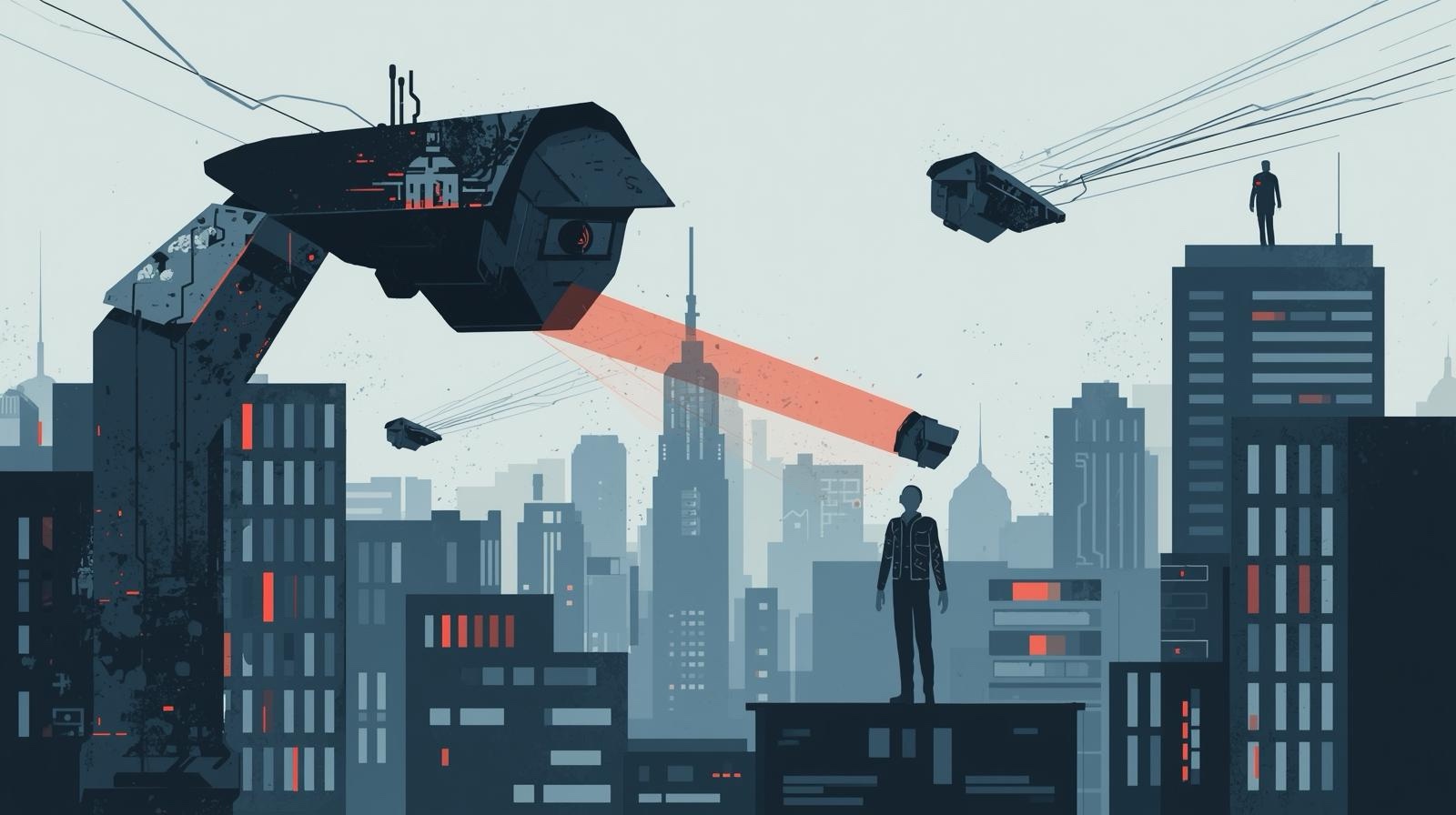
Singapore employees are reporting some of the world’s highest levels of workplace monitoring, as concerns over artificial intelligence (AI) and evolving work practices continue to shape the employee experience, according to ADP’s People at Work 2025 Report. The study points to rising stress and uncertainty as technology plays a larger role in day-to-day work.
Monitoring Concerns Rise Amid Productivity Pressures
The report names workplace monitoring as a central pressure point. Singapore ranks fifth out of 34 countries for employees who feel constantly surveilled, following Egypt, Nigeria, Thailand and India. According to ADP, 41 per cent of workers in Singapore say they feel monitored at work — nine percentage points above the global average.
The findings reflect the combined impact of hybrid work arrangements, heightened expectations around productivity and closer scrutiny of digital workflows. Globally, the report notes that workers who feel constantly monitored are four times more likely to be among the least productive and three times more likely to report stress than those who do not feel surveilled. ADP attributes these trends to the rise of digital tracking tools used to measure performance in distributed teams.
Knowledge Workers and Gen Z Most Anxious About AI
AI adoption continues to reshape workforce sentiment, with the report highlighting persistent uncertainty among Singapore employees. About 19 per cent of local respondents remain unsure how AI will affect their roles — 8 per cent higher than the Asia-Pacific average.
Knowledge workers, including programmers, academics and creative professionals, express the highest levels of anxiety. Their reported uncertainty is double that of skilled task workers, pointing to sharper concerns among roles where AI tools are rapidly evolving. Younger employees aged 18 to 26, often entering workplaces already shaped by automation, are also experiencing heightened unease. ADP’s data shows 23 per cent of Gen Z respondents feel uncertain about AI’s impact on their career paths.
Jessica Zhang, Senior Vice President at ADP APAC, said the interplay between technology and talent continues to redefine workplace expectations. “Technology and talent are evolving in tandem and the rise of AI and hybrid work is redefining how employees experience trust, purpose and productivity,” she said. “When businesses align digital transformation with clear communications and employee well-being, they build stronger trust, engagement and sustainable performance.”
Employee Experience Now a Business Priority
As organisations accelerate digital adoption, workplace experience has become a critical factor in talent retention and business continuity. Analysts have noted growing scrutiny of how employers deploy AI and monitoring tools, particularly in knowledge-intensive sectors where autonomy and trust strongly influence performance.
In Singapore, where competition for skilled talent remains tight, transparency around AI usage and monitoring practices has emerged as an important differentiator. The report suggests that empathy, clear communication and responsible deployment of digital tools play a key role in reducing stress and supporting long-term engagement.
ADP’s findings indicate that as AI capabilities expand, employers may need clearer governance frameworks and communication strategies to reassure workers. The company expects employee experience — particularly trust, autonomy and well-being — to remain a priority as organisations balance productivity goals with evolving workplace expectations.


Share your thoughts