

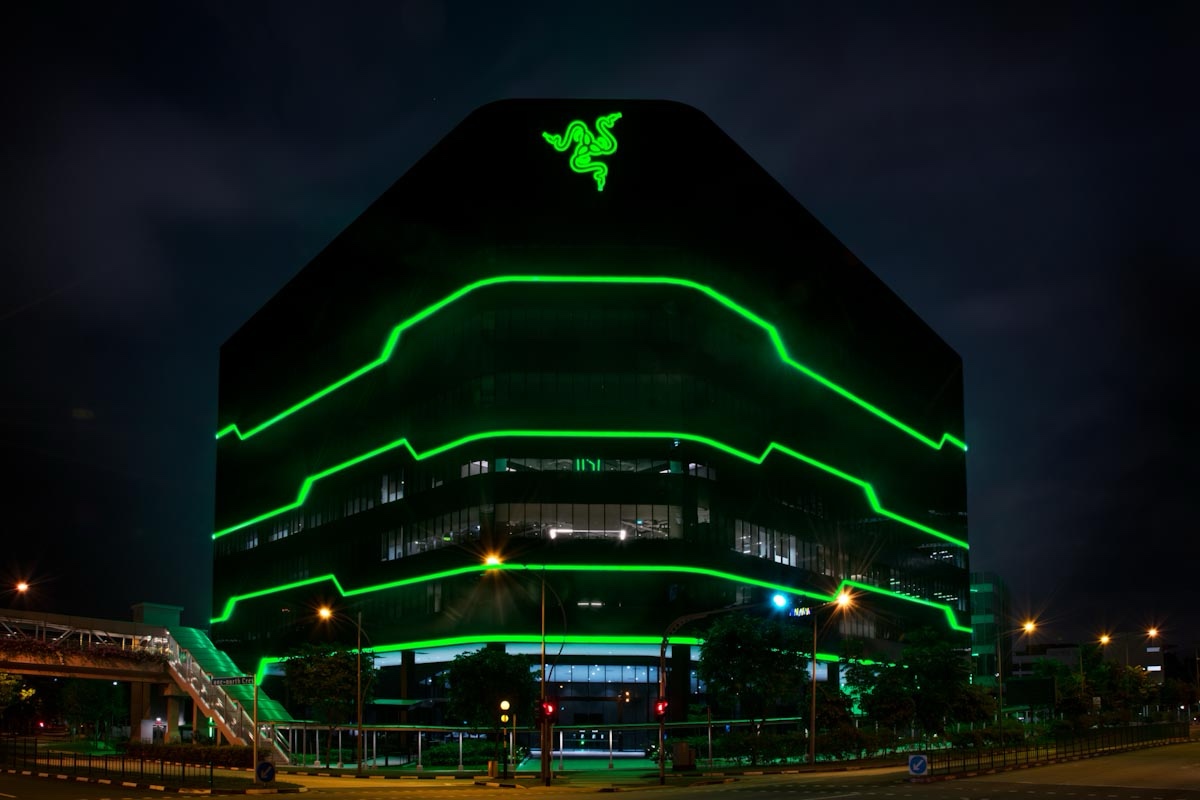
Gaming giant Razer has launched its first AI Centre of Excellence in Singapore, marking a strategic step in its global expansion into artificial intelligence-driven gaming technologies.
Backed by Digital Industry Singapore – a joint initiative by the Economic Development Board, Enterprise Singapore and the Infocomm Media Development Authority – the centre forms the cornerstone of Razer’s new AI strategy aimed at transforming the gaming experience through cutting-edge innovation.
Poised to become one of Singapore’s most advanced AI gaming facilities, the new hub will spearhead research and development in AI game design, accelerate product development, and nurture homegrown AI talent.
“Razer’s global AI Centres of Excellence are a strategic investment in AI gaming. By advancing research, talent, and product innovation, we aim to lead the future of gaming,” said Li-Meng Lee, Chief Strategy Officer at Razer.
A Strategic Bet on AI Talent and Innovation
To build a strong AI workforce in Singapore, Razer will hire 150 specialists across engineering, data science, and game development. The company has rolled out a streamlined, skills-first recruitment process to draw top local talent, including fresh graduates and mid-career professionals.
The centre will also collaborate with AI Singapore and institutions of higher learning, tapping into initiatives like the AI Apprenticeship Programme (AIAP(I)) to provide hands-on training in AI, data and machine learning. These efforts are aligned with Singapore’s national push to develop world-class AI capabilities and position itself as a regional innovation hub.
“Razer’s launch of their AI Centre of Excellence highlights Singapore’s appeal as a location for AI development within digitally advanced sectors,” said Philbert Gomez, Executive Director of Digital Industry Singapore. “It will also present opportunities for talent to build flagship AI gaming products from Singapore.”
Pioneering AI Tools for the Next Generation of Games
At the heart of Razer’s new AI portfolio are two flagship solutions: Razer Game Co-AI, a generative AI coach that adapts to a player’s real-time behaviour, and Razer QA Co-AI, an automation tool that speeds up game testing and bug detection. The latter has already demonstrated the ability to cut QA testing time by up to 50%, reducing production costs and time-to-market for game developers.
Currently in beta with AAA, AA and indie studios, Razer QA Co-AI is expected to be rolled out globally via AWS Marketplace in the coming months.
These tools are part of a broader suite that will eventually feed into WYVRN, Razer’s all-in-one developer platform for building immersive gaming experiences. The upcoming European AI hub will lead this initiative, while a future US-based centre will complement global efforts.
Positioning for a US$28 Billion Opportunity

The launch comes as the gaming industry hurtles toward an estimated US$400 billion valuation by 2033, with AI gaming projected to grow at 28.4% annually to hit US$28 billion.
By laying its AI foundation in Singapore, Razer aims to tap into this booming sector with intelligent tools that not only enhance player immersion, but also streamline production and innovation across the game development lifecycle.


Share your thoughts